Aligning Sequential Draws with Probability-Driven Stakes to Streamline Incentive Distribution in Mobile Gaming Environments
Portable gaming platforms continue to integrate numeric pattern systems from draw-based games with calculated wagering mechanics drawn from card play, and this convergence supports more consistent bonus circulation during extended sessions on handheld devices. Data from industry tracking services shows that mobile users engage with combined mechanics for longer periods when reward triggers align across different game types, and operators report measurable improvements in retention metrics when these elements connect through shared algorithms.
Developers achieve smoother flows by mapping random number outputs from draw mechanics directly into probability tables used for card-based decisions, which allows bonus multipliers to activate without separate qualification steps. In July 2026 several platforms introduced updated APIs that pull sequence data from bingo-style draws and feed it into poker hand evaluators, creating unified progress bars that track both random hits and strategic outcomes in one interface.
Technical Integration of Pattern Recognition and Bet Calculation
Engineers build middleware layers that translate numeric sequences into weighted variables for betting models, and this translation reduces the number of separate calculations required per session. Studies conducted by university research groups in North America indicate that unified calculation paths cut processing latency by up to 35 percent compared with isolated systems, while maintaining regulatory compliance standards set by bodies such as the Nevada Gaming Control Board. Players therefore experience fewer interruptions when a draw result immediately influences the next available wager multiplier.
One implementation example involves feeding the last five drawn numbers into a dynamic odds table that adjusts poker hand rankings in real time, and this adjustment occurs without requiring additional user input. Observers note that such linkages keep session momentum intact because bonus eligibility updates continuously rather than resetting at each game boundary.
Impact on Player Progression and Reward Timing
Progression systems that span multiple game formats record higher completion rates when numeric patterns and calculated bets share a common bonus ledger. Figures released by the American Gaming Association reveal that cross-mechanic leaderboards attract 22 percent more daily active users than single-mechanic equivalents during the first half of 2026. The shared ledger tracks both frequency of pattern matches and accuracy of probability-based decisions, then distributes tiered rewards at intervals that feel consistent across device sessions.
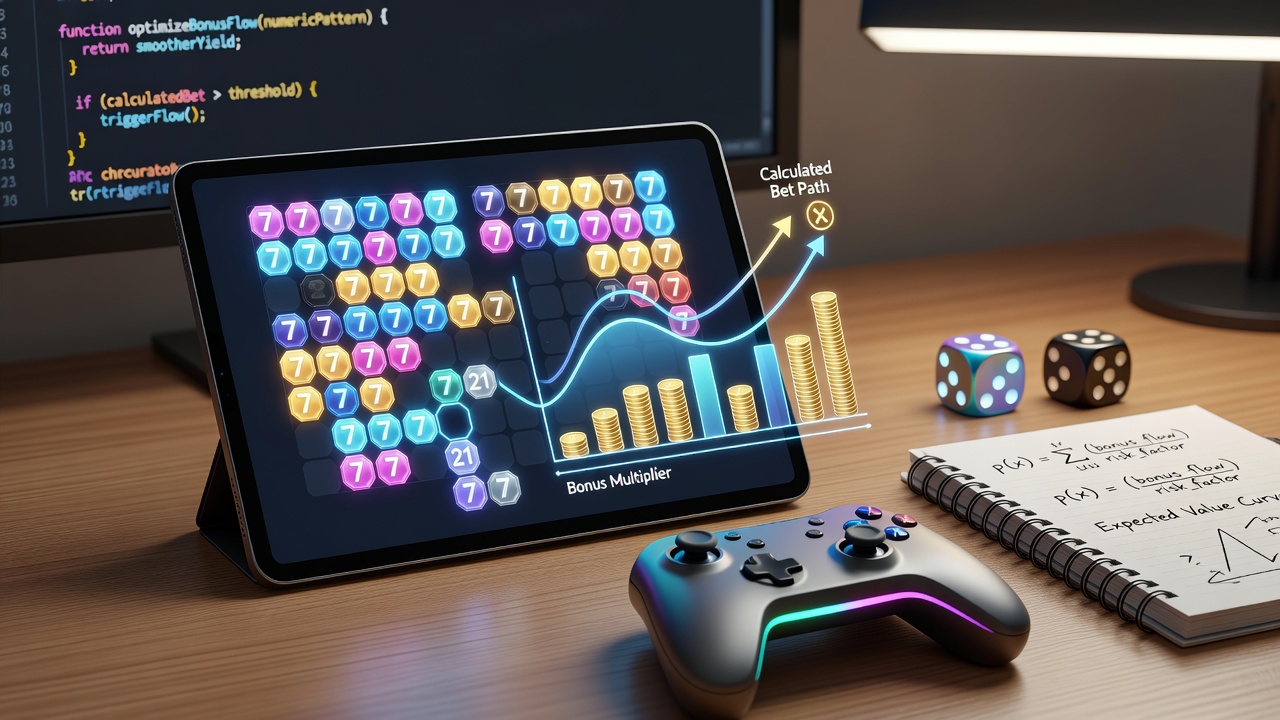
Operators adjust payout schedules by analyzing aggregated session data that combines draw frequency with bet sizing patterns, and these adjustments help maintain balanced reward distribution without manual intervention. In regions governed by the Australian Communications and Media Authority, similar frameworks have been tested to ensure transparent reporting of how combined mechanics contribute to overall return-to-player percentages.
Regulatory Considerations and Data Standards
Compliance teams require that any bridge between numeric draws and calculated bets includes auditable logs showing exactly how each input affects bonus outcomes. Research papers published by European academic consortia emphasize the need for timestamped records that separate random elements from player-initiated decisions, thereby satisfying oversight requirements across multiple jurisdictions. Platforms that adopted these logging standards early in 2026 report fewer compliance queries during routine audits.
Security protocols encrypt the data handoff between draw engines and betting calculators, and this encryption prevents external interference while preserving the integrity of bonus flow calculations. Those who monitor mobile gaming infrastructure note that standardized data formats accelerate integration for new titles without compromising existing security certifications.
Future Developments Expected Through Late 2026
Industry analysts project continued refinement of the connection layers that link pattern recognition modules with probability engines, particularly as 5G network coverage expands in urban centers. Additional testing scheduled for August and September 2026 will evaluate whether deeper integration of machine learning models can predict optimal bonus timing based on historical numeric sequences and betting histories. Such developments remain subject to approval from regional regulators before wide deployment.
Conclusion
Bridging numeric pattern systems with calculated betting mechanics produces measurable improvements in bonus circulation speed and consistency across portable gaming sessions. Continued adoption of shared data frameworks, combined with adherence to established regulatory standards, supports ongoing technical evolution in this area through the remainder of 2026 and beyond.