Analyzing Payment Method Influences on Gameplay Strategies Across Mobile Bingo Sessions and Poker Matches
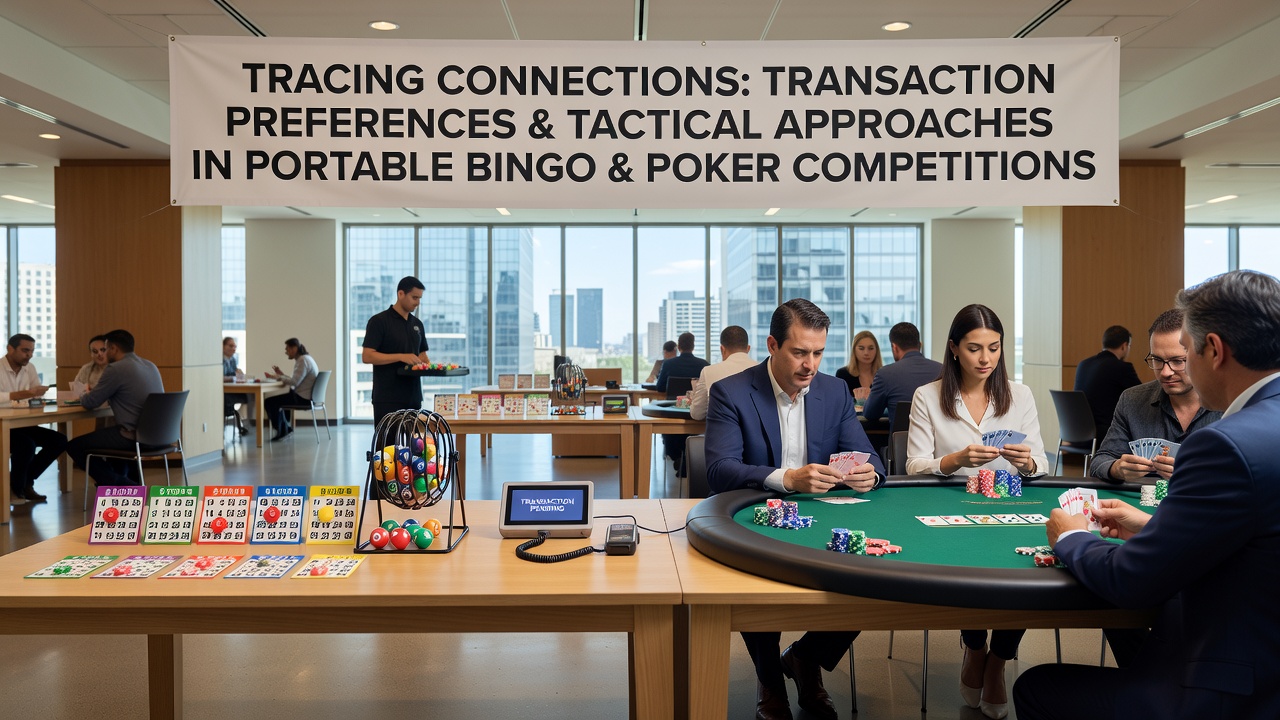
Transaction preferences in portable bingo events and poker competitions reveal distinct patterns that researchers have tracked through platform data and user behavior studies, and these patterns connect directly to the tactical choices players make during sessions. Mobile bingo draws often feature quick deposit options tied to bonus structures while poker apps emphasize multi-table funding methods that support extended play periods, and observers note how these funding routes shape everything from bet sizing to participation frequency.
Data collected across North American and European markets in 2025 showed e-wallet usage rising sharply among players who favor rapid re-buys in bingo rooms, whereas credit card transactions appeared more common in poker settings where session length and bankroll management take priority. According to figures released by the American Gaming Association, digital wallet adoption reached 47 percent of mobile gaming transactions by early 2026, a shift that coincided with changes in how participants approached prize pools in distributed bingo networks and sit-and-go poker formats alike.
Payment Channels and Their Effects on Session Tactics
Portable bingo events reward players who maintain consistent ticket purchases across multiple rounds, and those who select instant transfer services tend to enter higher-volume games because reload times stay minimal. Poker competitions, by contrast, reward measured aggression and position awareness, yet funding speed still matters when players decide whether to join additional tables or exit after a downswing. Research from the Responsible Gambling Council in Canada indicates that users who rely on prepaid vouchers often limit their poker exposure to single-table events, while the same cohort shows higher repeat entry rates in mobile bingo when promotional credits appear automatically after each deposit.
June 2026 brought new regulatory updates in several jurisdictions that required clearer disclosure of transaction fees, and these rules prompted operators to highlight fee-free e-wallet routes more prominently within their apps. Players responded by adjusting their deposit timing, moving funds during promotional windows that aligned with bingo jackpot triggers or poker satellite qualifiers, and platform analytics captured corresponding spikes in average session duration for those payment cohorts.
Regional Patterns and Platform Adaptations
European operators integrated open banking transfers more widely after 2025 policy changes, allowing direct account pulls that bypass traditional card networks, and this development altered how participants timed their entries into cross-platform bingo-poker hybrids. Australian data published by the Queensland Government Statistician's Office revealed that players using bank transfers spent 22 percent longer in poker tournaments compared with those using digital wallets, while bingo participation remained steady across both methods. Such regional differences underscore how local banking infrastructure and fee structures steer tactical decisions without altering core game mechanics.
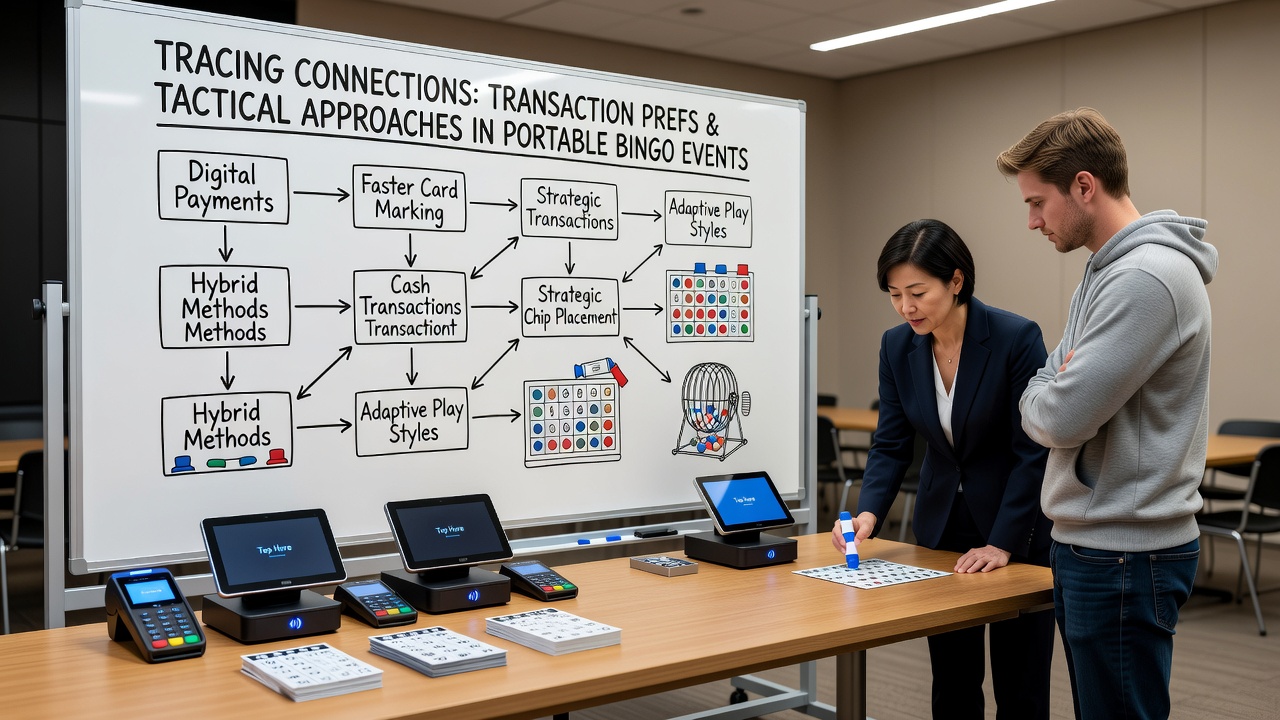
Industry reports from the European Gaming and Betting Association further document that loyalty programs tied to specific payment rails encourage players to consolidate their activity within single ecosystems, and this consolidation produces measurable effects on strategy selection. Participants who lock into one wallet ecosystem tend to chase bingo patterns that require sustained ticket volume, whereas those who rotate methods more freely demonstrate greater flexibility when switching between bingo and poker within the same evening.
Bonus Structures and Strategic Adjustments
Bonus wagering requirements attached to deposit methods create another layer of connection between funding choices and in-game decisions, and studies from university research teams in the Netherlands have quantified how playthrough targets influence risk tolerance. Mobile bingo players facing higher wagering multipliers often adopt conservative number selection patterns to stretch their bankrolls, while poker participants facing similar requirements adjust their starting hand ranges and continuation bet frequencies to accumulate the necessary hands or volume. These adjustments occur consistently enough that operators now segment marketing campaigns according to both payment history and observed play style.
Case examples from major mobile platforms illustrate the point clearly. One operator tracked a cohort that switched from card-based deposits to cryptocurrency options in spring 2026 and recorded a 15 percent increase in multi-table poker registrations alongside a 9 percent rise in bingo room entries per user, suggesting that lower perceived fees encouraged broader experimentation across game types.
Conclusion
Connections between transaction preferences and tactical approaches in portable bingo events and poker competitions emerge through observable data on deposit timing, bonus utilization, and session length across multiple markets. Regulatory shifts in 2026 reinforced transparency around fees while platform features adapted to highlight faster or lower-cost rails, and researchers continue to document how these infrastructure details steer participation patterns without changing the underlying rules of either game format. Continued monitoring of payment trends alongside gameplay metrics will clarify whether current correlations strengthen or evolve as new transfer technologies reach wider adoption.