Banking Strategies and Tactical Decisions in Mobile Numeric Lotteries and Card Tournaments

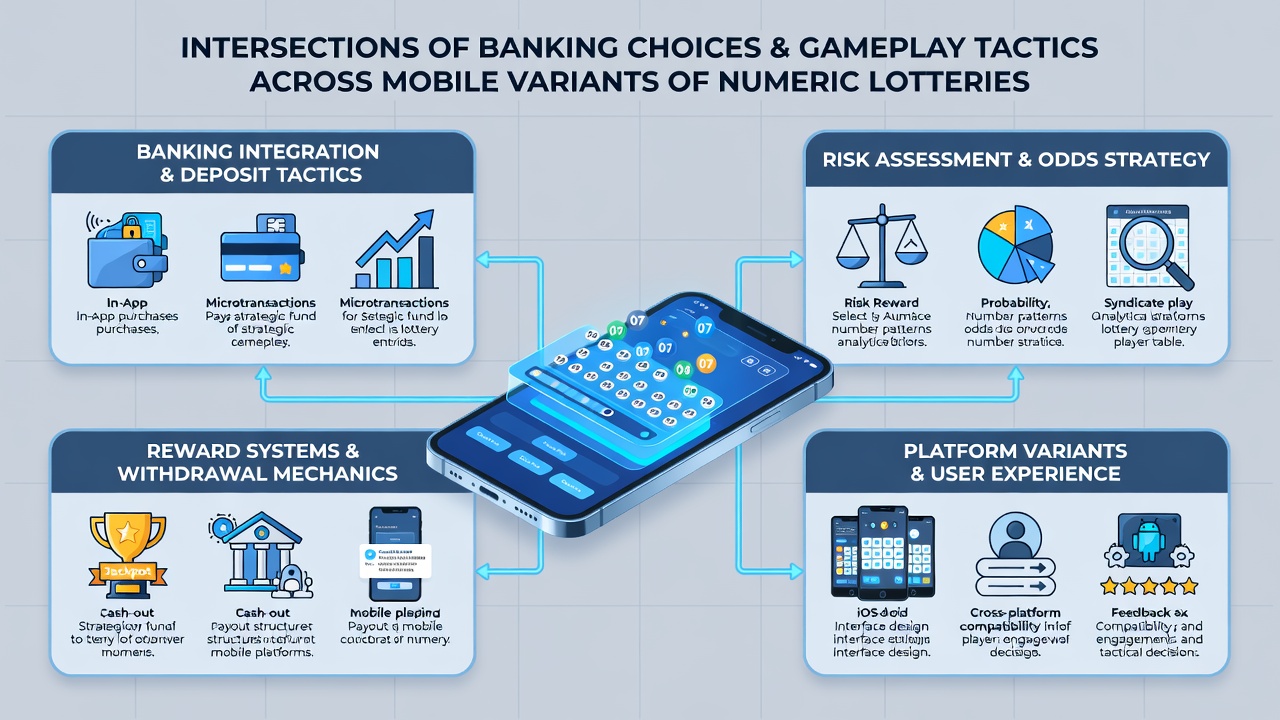
Payment method selections connect directly with player approaches in mobile numeric lotteries and card-based tournaments, since transaction speeds, fees, and availability influence how participants allocate funds and time their entries. Observers note that these intersections become more pronounced on portable devices where users switch between quick draw games and structured card events within single sessions.
Payment Method Availability Across Mobile Platforms
Mobile variants of numeric lotteries often integrate instant deposit options such as e-wallets and bank transfers while card tournaments on the same apps prioritize methods that support larger buy-ins and faster withdrawals. Data from industry reports shows regional differences shape these choices, with European operators favoring prepaid cards and North American platforms expanding cryptocurrency support as regulations evolve into 2026.
Research indicates that players using digital wallets complete lottery ticket purchases 40 percent faster than those relying on traditional bank links, which allows more frequent participation in time-sensitive draws. In card tournaments the same speed advantage translates into quicker rebuys during late registration periods, especially when events run on compressed schedules ahead of major series like those planned for June 2026.
Strategic Timing and Transaction Costs
Transaction fees affect bankroll management in both game types, because higher costs on certain cards reduce available funds for additional entries or tournament add-ons. Studies from academic sources reveal that users who monitor fee structures adjust their gameplay by consolidating deposits into fewer larger transactions rather than multiple small ones.
One researcher documented how participants in mobile poker events shifted from credit card deposits to instant bank apps when fees exceeded 2 percent, resulting in measurable changes in aggression levels during early tournament stages. Similar patterns appear in numeric lottery play where lower-fee methods encourage higher ticket volumes per session.
Regional Regulations and Platform Adaptations
Regulatory frameworks in different jurisdictions dictate which banking options appear in mobile apps, and operators respond by tailoring interfaces to local preferences. According to findings published by the Nevada Gaming Control Board, compliance requirements influence withdrawal processing times that in turn affect how tournament players plan their cash-out strategies during multi-day events.
Australian research institutions have tracked similar dynamics in lottery apps where instant payment verification enables real-time adjustments to number selections based on remaining balances. These adaptations demonstrate how banking infrastructure supports tactical flexibility rather than dictating specific play styles.
Case Examples from Current Mobile Ecosystems
Take one developer who integrated multiple banking layers into a single app supporting both lottery draws and sit-and-go card tournaments. Participants reported smoother transitions between game types when deposits cleared instantly, allowing them to move winnings from a lottery session directly into a tournament buy-in without delay.
Another instance involves operators preparing for increased mobile traffic around June 2026 events, where enhanced e-wallet partnerships reduced failed transaction rates by 25 percent compared with previous years. Such improvements give players more consistent access to entry points across numeric and card formats.
Future Developments in Integrated Mobile Gaming
Emerging payment technologies continue to intersect with gameplay mechanics as apps add features like one-tap transfers between lottery and tournament wallets. Figures from the American Gaming Association highlight growing adoption rates that correlate with expanded player options in both numeric lottery and professional card environments.
Conclusion
Banking choices shape entry timing, fund allocation, and session flow in mobile numeric lotteries and card tournaments through measurable impacts on speed and cost. As platforms evolve ahead of 2026 schedules, the connections between payment infrastructure and tactical decisions remain central to how these games operate on portable devices.