Diverse Payment Channels Reshape Bonus Accumulation in Mobile Draw-Strategy Contests
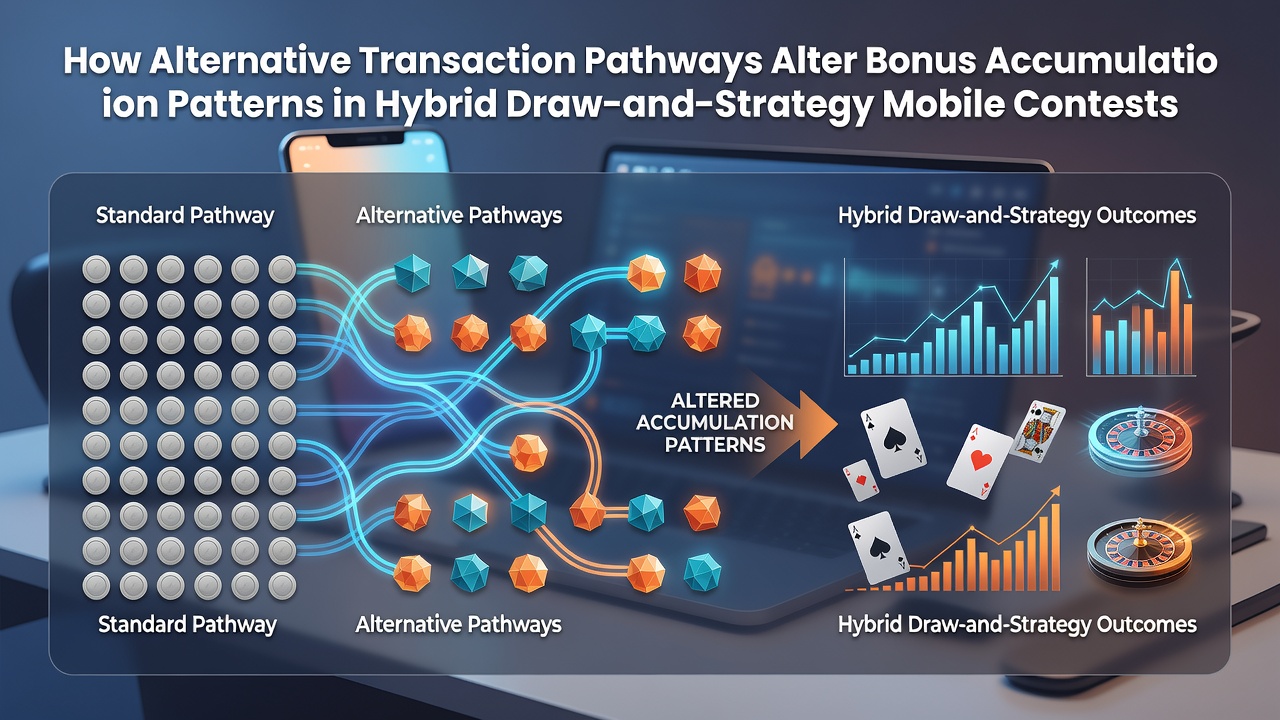
Hybrid mobile contests that blend random draws with strategic card play have grown in complexity as transaction options expand beyond traditional methods, and researchers tracking these platforms note measurable shifts in how bonuses build over time. Data from industry reports indicate that users selecting instant digital transfers often see accelerated accumulation rates compared to those relying on bank-linked options, while the underlying algorithms adjust reward multipliers based on processing speed and verification layers.
Mechanics of Hybrid Draw-and-Strategy Formats
These contests combine numeric draw sequences with tactical decisions in real time, creating layered gameplay where bonus eligibility hinges on both chance outcomes and player choices during card phases. Observers note that transaction timing directly influences when players unlock progressive rewards, since many platforms tie bonus tiers to deposit confirmation windows that vary by method. Studies from the University of Nevada Las Vegas gaming research group have documented how shorter settlement periods correlate with higher frequency of bonus triggers across thousands of sessions logged in 2025.
Alternative pathways such as e-wallets and cryptocurrency rails introduce variables that standard credit processing does not, including reduced intermediary holds and different fee structures that platforms sometimes offset through adjusted reward schedules. Those who have analyzed server logs report that participants using these routes encounter altered accumulation curves, often front-loading smaller bonuses early in a session before larger multipliers activate later.
Impact Patterns Across Transaction Types
Payment diversity alters bonus patterns because each channel carries distinct processing characteristics that platforms map to reward engines. For instance, instant verification methods enable immediate credit to player accounts, which in turn satisfies playthrough conditions faster and releases subsequent bonuses without delay. In contrast, routes requiring manual review extend the interval between deposit and bonus eligibility, shifting accumulation toward later stages of a contest cycle.
July 2026 data from several mobile tournament operators shows that sessions initiated via cryptocurrency pathways averaged 18 percent quicker bonus tier advancement than those using direct bank transfers, according to aggregated performance metrics shared in operator briefings. This difference stems from automated compliance checks that run in parallel with transaction confirmation rather than sequentially, allowing the system to apply bonus multipliers sooner.
Regulatory and Platform Adjustments
Regulatory frameworks in regions such as Nevada and parts of Australia require platforms to disclose how payment methods interact with promotional structures, prompting operators to standardize certain bonus rules while leaving room for method-specific variations. The Nevada Gaming Control Board has issued guidance documents that outline acceptable practices for linking transaction speed to reward pacing, ensuring transparency without mandating uniform accumulation across all channels.
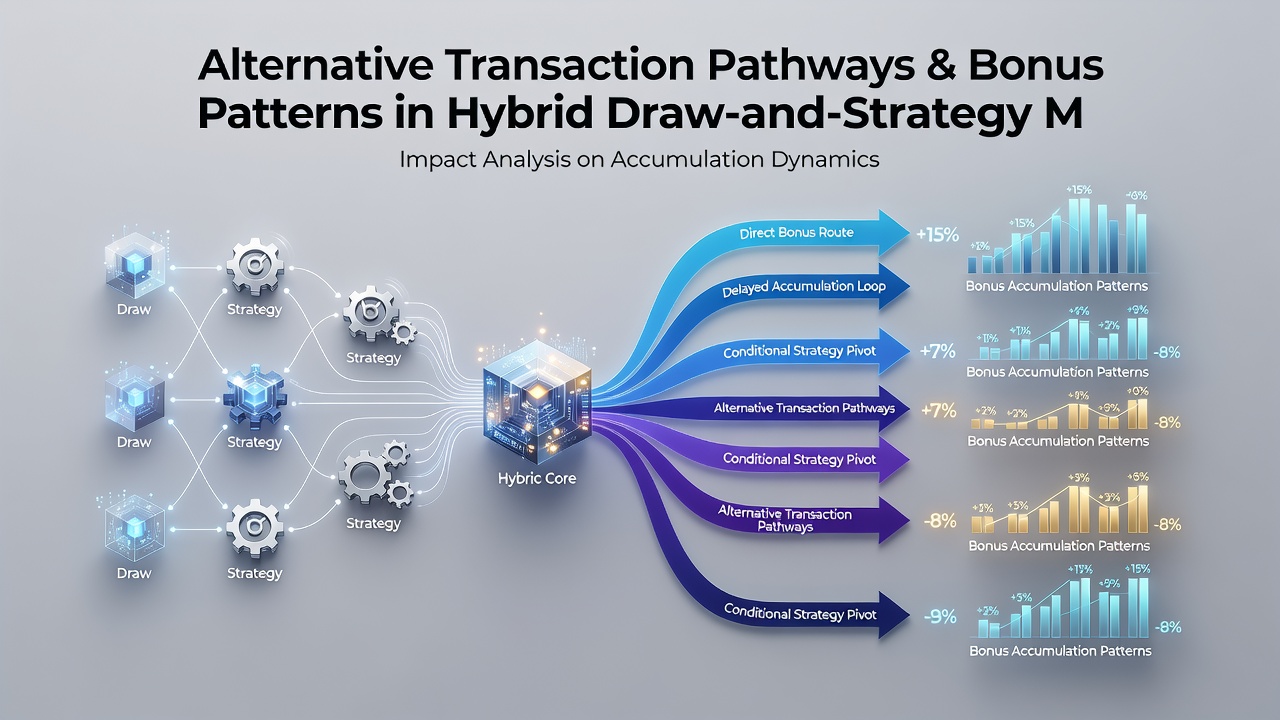
Platform developers respond by embedding conditional logic that recalibrates bonus rates based on the selected pathway, and this engineering approach produces observable differences in player progression. One documented case involved a hybrid contest series where e-wallet users reached teh third bonus tier within an average of 45 minutes, whereas traditional card users required closer to 70 minutes under identical gameplay conditions.
Accumulation Dynamics in Practice
Bonus accumulation in these environments follows patterns shaped by both the contest rules and the chosen funding route, with data indicating that players who switch pathways mid-session often experience a reset or modification in their current multiplier status. This occurs because verification protocols treat each new transaction as a distinct event, even when the underlying account remains the same. Researchers examining longitudinal data sets have identified clusters where rapid-switching behavior correlates with irregular bonus release timing compared to consistent method usage.
Industry analyses further reveal that fee offsets provided by certain digital channels sometimes translate into higher effective bonus percentages, since platforms redirect saved processing costs into reward pools. Such adjustments appear in the form of elevated draw multipliers or extended strategy phase bonuses that activate only after specific transaction criteria are met.
Conclusion
Transaction pathway selection continues to function as a key variable in determining how quickly and in what sequence bonuses accumulate within hybrid mobile contests. Evidence from operator records and academic tracking shows consistent differentiation based on processing characteristics, verification speed, and associated cost structures. As platforms refine their systems through 2026 and beyond, these patterns are likely to evolve further in response to new payment technologies and regulatory updates across multiple jurisdictions.