Emerging Payment Innovations Reshaping Strategies Across Mobile Bingo and Poker Platforms
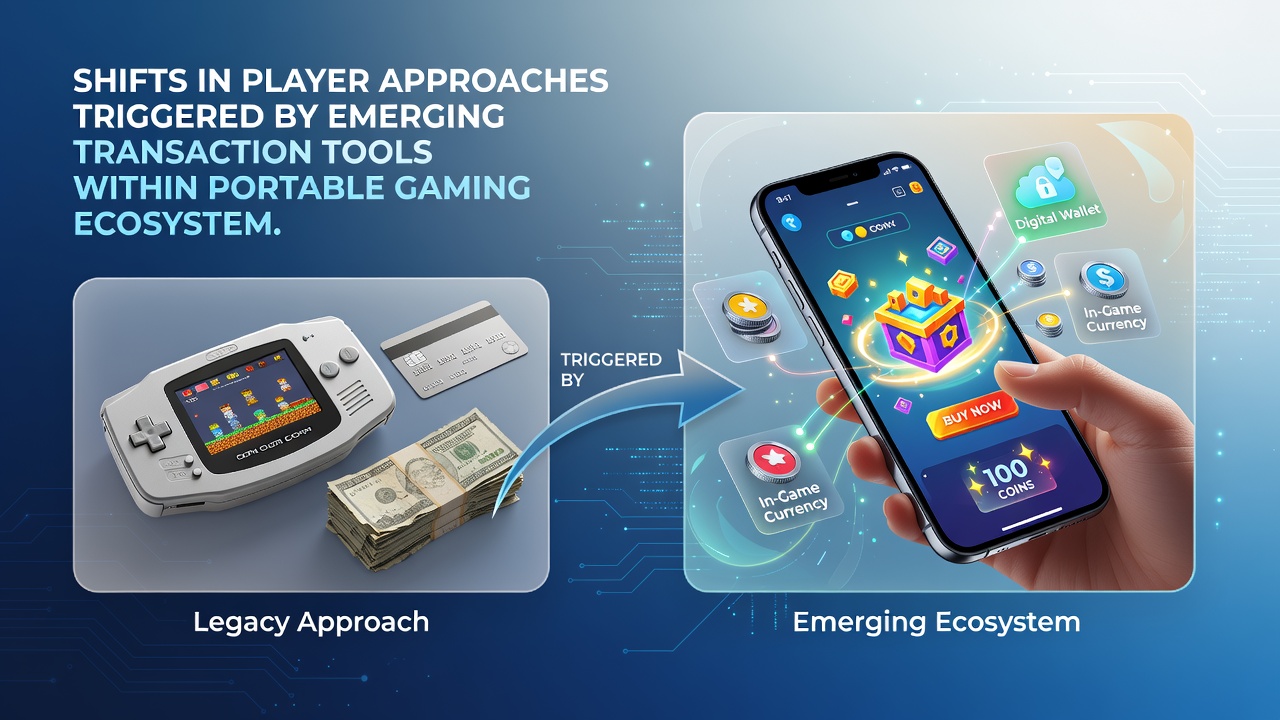
Portable gaming ecosystems continue to evolve as transaction tools integrate deeper into bingo and poker applications, prompting observable adjustments in how participants manage deposits, session lengths, and risk thresholds during play. Data from industry monitoring services shows rising adoption of instant transfer systems and digital wallet integrations throughout 2025 and into mid-2026, with transaction volumes in mobile gaming sectors increasing by measurable margins according to reports from the Australian Communications and Media Authority.
Transaction Speed Influencing Session Timing and Entry Patterns
Players now complete deposits within seconds rather than minutes, which alters the rhythm of engagement in both bingo draws and poker tournaments hosted on handheld devices. Observers note that quicker funding options allow participants to join ongoing sessions without extended interruptions, leading to higher frequencies of short-duration plays during commute periods or brief breaks. Research from the University of Nevada's gaming studies division indicates that mobile users utilizing real-time payment rails tend to enter more micro-stakes poker tables per week while maintaining similar overall bankroll allocations compared to slower methods.
Wallet Integrations and Multi-Game Shifts
Digital wallets compatible with multiple gaming operators enable seamless movement between bingo number draws and card-based events without repeated verification steps, and this connectivity encourages users to alternate formats based on available promotions rather than sticking to single-game preferences. Figures released by the European Gaming and Betting Association reveal that cross-format participation rates climbed noticeably in regions where wallet-linked platforms expanded during the first half of 2026. Those who adopt these tools often schedule sessions around promotional windows tied to instant funding bonuses, creating predictable spikes in activity on specific weekdays.
July 2026 marks a period when several portable platforms introduced layered verification layers for larger transfers, yet smaller daily transactions remain streamlined, which sustains steady engagement levels without triggering additional compliance hurdles for most users. This balance supports continued experimentation with varied stake levels because players can adjust positions rapidly when new tools reduce friction in funding and withdrawals.
Security Features Prompting More Calculated Deposit Behaviors
Biometric confirmations and tokenized transaction methods have reduced unauthorized access incidents across mobile gaming networks, according to aggregated security audits shared by the Canadian Gaming Association. With enhanced protections in place, participants demonstrate willingness to maintain higher average balances within app-based accounts instead of frequent external transfers, which in turn supports longer tournament runs and more consistent bingo card purchases over single sessions. Studies compiled by academic teams at the National University of Singapore highlight correlations between these security upgrades and reduced abandonment rates during multi-table poker sequences.
Yet the same tools also surface spending summaries in real time, allowing users to review cumulative outlays mid-session and recalibrate strategies accordingly. Data patterns suggest this visibility contributes to deliberate pauses between high-volume bingo entries or poker buy-ins, particularly when cumulative figures approach preset personal limits. Industry reports document these self-regulated intervals becoming more common as dashboard analytics mature within popular portable ecosystems.
Regional Regulatory Updates Supporting Tool Adoption
Policy adjustments in multiple jurisdictions throughout 2026 have clarified rules around instant payment processing for gaming operators, which accelerates rollout of new transaction features on mobile platforms. The New Jersey Division of Gaming Enforcement and parallel bodies in other markets have published guidelines that standardize verification timelines, thereby lowering barriers for operators introducing cross-border wallet support. These developments coincide with measurable upticks in player migration toward platforms offering diversified funding channels, as tracked through anonymized usage metrics released by trade research groups.
Players respond by diversifying their funding sources across operators, testing which combinations yield optimal timing for bonus triggers in distributed bingo networks and poker leaderboards. Evidence from longitudinal tracking shows corresponding adjustments in average bet sizing and participation volume tied directly to the availability of these varied rails.
Conclusion
Transaction innovations within portable gaming ecosystems continue to drive measurable changes in how individuals approach timing, format selection, and bankroll management in mobile bingo and poker environments. Patterns documented through regulatory filings, academic analyses, and association data sets illustrate consistent adaptations as tools become more embedded in daily play routines. Ongoing developments through the remainder of 2026 will likely extend these influences as additional features reach broader user bases across different regions.