Exploring Interconnections of Playthrough Obligations and Shared Prize Funds in Distributed Gaming Networks

Operators managing multiple gaming sites face complex mechanics when wagering requirements intersect with accumulation pools that draw contributions from players across separate venues, and data from regulatory filings indicate these systems often share contribution percentages that range from 1% to 5% of each qualifying bet. Research indicates platforms coordinate these elements through centralized servers that track both individual player progress toward bonus release conditions and collective contributions that feed progressive prize funds, while those who've studied the infrastructure note the data flows require real-time reconciliation to prevent discrepancies in player accounts.
Mechanics of Wagering Requirements in Multi-Site Environments
Wagering requirements specify the total amount a player must stake before bonus funds convert to withdrawable cash, and analysts observe these thresholds commonly sit between 20x and 50x the bonus value depending on the jurisdiction and game category. In multi-venue setups the same requirement applies across connected platforms because operators use unified player databases that aggregate activity from each location, which means a deposit made on one site contributes to progress tracked on another. Studies from the International Gaming Institute at the University of Nevada reveal that cross-site tracking reduces administrative overhead yet demands robust audit trails so regulators can verify compliance without delays.
Structure and Growth of Accumulation Pools
Accumulation pools collect small percentages from bets placed on designated games and build prize amounts that reset after each payout, with seed values often supplied by operators to maintain player interest between wins. Multi-venue platforms expand these pools by pooling contributions from every participating site, which accelerates growth rates compared with single-location systems. Figures from industry reports show progressive pools in networked environments can reach seven-figure totals within weeks when traffic remains steady across time zones.
Points of Interaction Between the Two Systems
Operators frequently link wagering requirements directly to pool contributions by counting only wagers made on games that feed the accumulation fund toward bonus clearing, and this linkage creates measurable synergy because players chasing bonus release simultaneously add to the shared prize. Data shows this dual purpose increases average session length while the pool itself serves as an additional incentive that encourages continued play after the initial requirement is met. Researchers discovered platforms that adjust contribution rates dynamically based on remaining wagering volume can balance prize growth against bonus liability more effectively than static models allow.
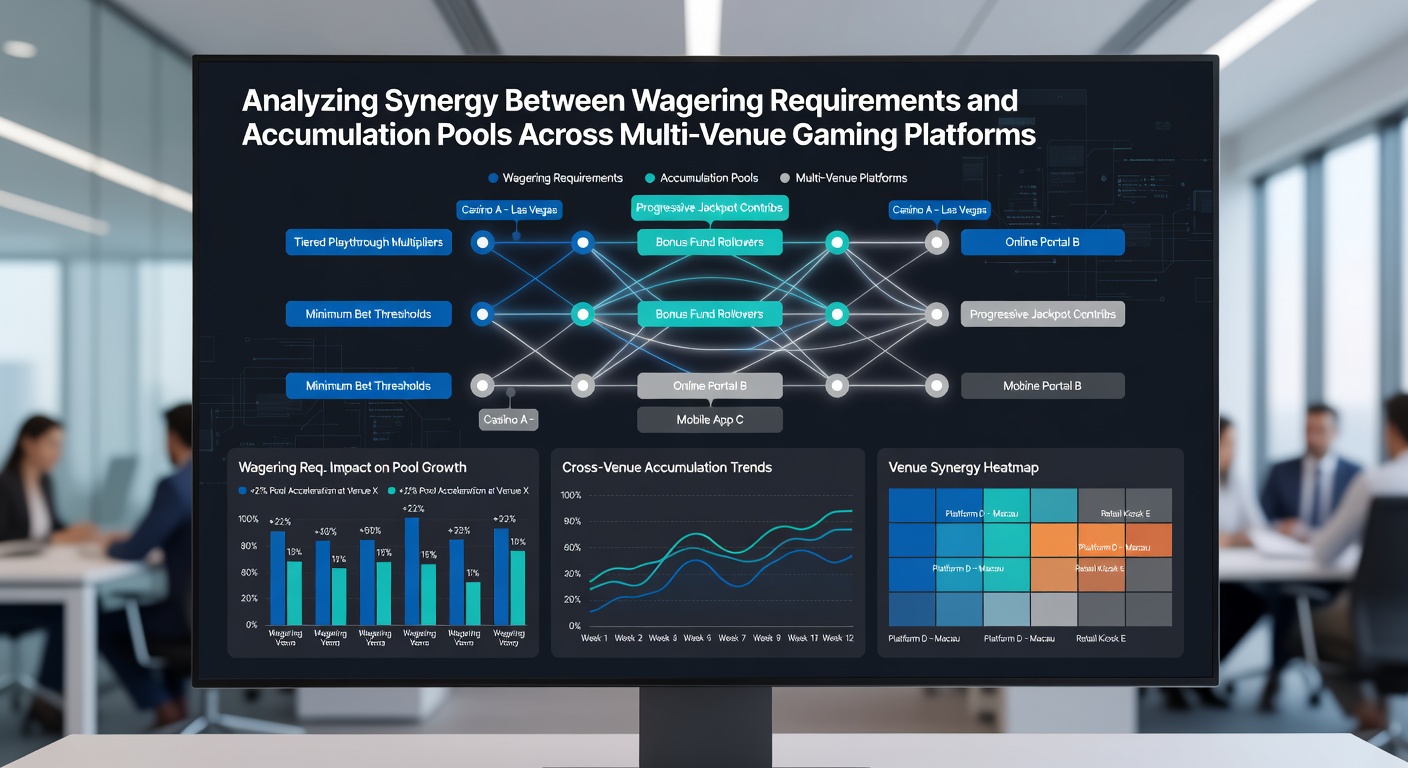
Take one platform that synchronizes its bonus engine with the progressive server so every qualifying spin advances both metrics at once, and observers note this integration minimizes separate tracking processes that might otherwise introduce latency. The reality is that when a large pool payout occurs many players who have nearly completed their wagering targets receive an immediate cash-out option, which reduces operator reserves held against pending bonuses.
Regulatory Oversight Across Regions
Agencies such as the Nevada Gaming Control Board and the Australian Communications and Media Authority require operators to submit detailed reports that separate bonus-related wagers from pool contributions so each stream remains transparent. In Canada the Alcohol and Gaming Commission of Ontario mandates independent testing of the algorithms that allocate contributions, which ensures neither players nor the house gain unintended advantages from the synergy. Platforms preparing updates scheduled for May 2026 have already begun aligning their reporting modules with these standards to avoid certification delays when new features launch.
Technical Implementation Challenges
Integrating the two systems across venues demands low-latency databases that handle simultaneous updates from thousands of concurrent sessions, and technical teams often deploy distributed ledger elements to create immutable records of each contribution. Experts have observed that any mismatch between a player's recorded wagering total and the pool ledger triggers automatic reconciliation routines before the next game round begins. Those who've examined case studies note that platforms using microservice architectures isolate the bonus engine from the progressive module yet still share a common event bus that timestamps every transaction.
Conclusion
Analysis of current platform architectures shows the synergy between wagering requirements and accumulation pools generates measurable efficiencies in player engagement and prize distribution, while regulatory frameworks continue to evolve in step with technical capabilities. Operators that maintain accurate cross-venue tracking and transparent contribution rules position themselves to meet both player expectations and compliance demands as networked gaming expands through 2026 and beyond.