Integrating Random Draws and Strategic Wagers Across Mobile Player Networks
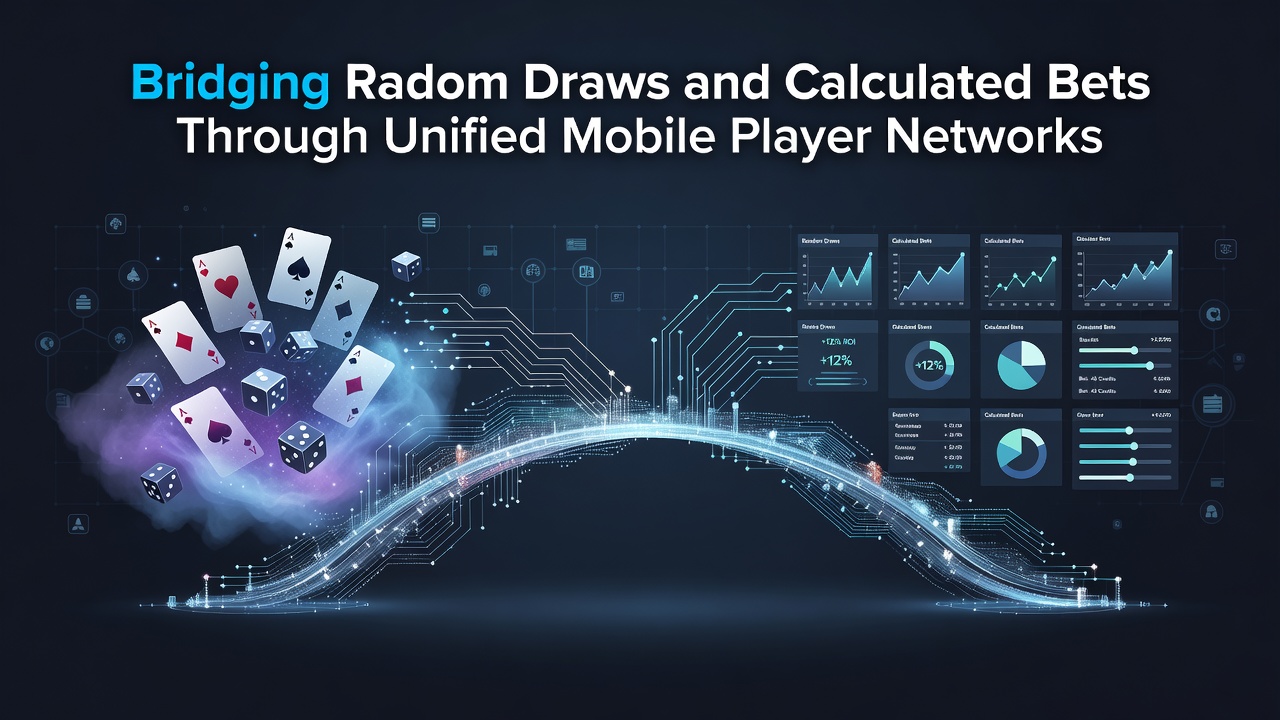
Unified mobile player networks now link random draw mechanics with calculated betting structures through shared platforms that synchronize player pools across different game types. These systems allow participants to engage in bingo-style number selections alongside poker-like decision sequences within single accounts and session flows. Data from industry reports shows that such integration expanded significantly between 2024 and 2026 as operators consolidated user bases to increase retention rates.
Network Architecture Supporting Dual Mechanics
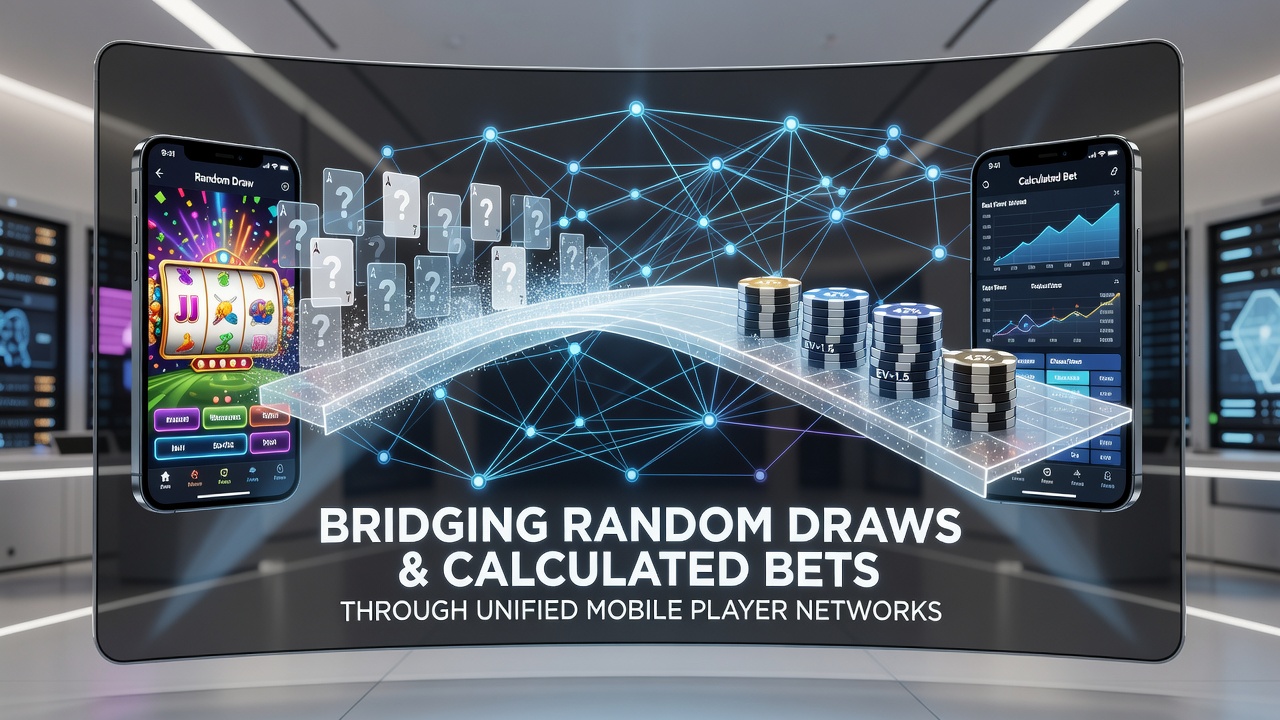
Platform developers build backend systems that route random number generation engines alongside probability tables used in card games. Servers handle simultaneous sessions by partitioning processing loads so that draw results update in real time while player decisions in strategic games adjust payout structures. Observers note that this architecture reduces latency issues that previously separated draw-based and skill-based environments on separate apps.
Player profiles carry across both formats, letting accumulated points or balances influence entry into either draw pools or tournament brackets. Research indicates that unified ledgers cut transaction friction by an average of 35 percent compared with siloed applications, according to figures released by the New Jersey Division of Gaming Enforcement in early 2026.
Player Behavior Patterns in July 2026
During July 2026, traffic analytics revealed increased crossover participation where users who started with random draws moved into calculated bet sessions within the same hour. Networks recorded average session lengths extending by 12 minutes when both mechanics remained accessible without app switching. Those who studied engagement metrics found that shared leaderboards encouraged continued activity as draw wins funded entries into card-based events.
Operators implemented cross-promotional triggers that activated after specific draw outcomes, automatically offering players calculated bet options with adjusted stakes. This approach maintained regulatory compliance while directing traffic between formats without forcing manual navigation.
Technical Standards for Synchronization
Developers adopted common APIs that standardize result verification for both random generators and card shuffle algorithms. These standards ensure audit trails remain consistent across game categories so regulatory bodies can review outcomes from a single data stream. European Gaming and Betting Association guidelines published in 2025 encouraged adoption of such unified logging to simplify oversight across member states.
Encryption protocols protect player inputs during calculated bet phases while maintaining the integrity of random draw sequences that occur independently. Network tests conducted throughout 2026 confirmed that combined environments met security benchmarks previously applied only to isolated systems.
Regulatory and Operational Considerations
Regulators in multiple jurisdictions require clear separation between random and skill elements even when presented through the same interface. Operators respond by displaying distinct rulesets and probability disclosures at each transition point. Compliance teams track player age verification and spending limits uniformly across both draw and strategic formats to avoid fragmented reporting.
Payment processing modules now support instant balance transfers between draw winnings and strategic game stakes. This capability relies on real-time settlement rails that update player ledgers without introducing delays that could affect game flow.
Conclusion
Unified mobile player networks continue to merge random draw systems with calculated betting environments through shared infrastructure and player data flows. Evidence from operational reports and regulatory filings shows measurable gains in session continuity and cross-format participation. Continued refinement of synchronization standards supports further expansion of these integrated experiences across additional regions and device types.