Key Methods for Aligning Random Draws and Tactical Card Play in Mobile Prize Competitions
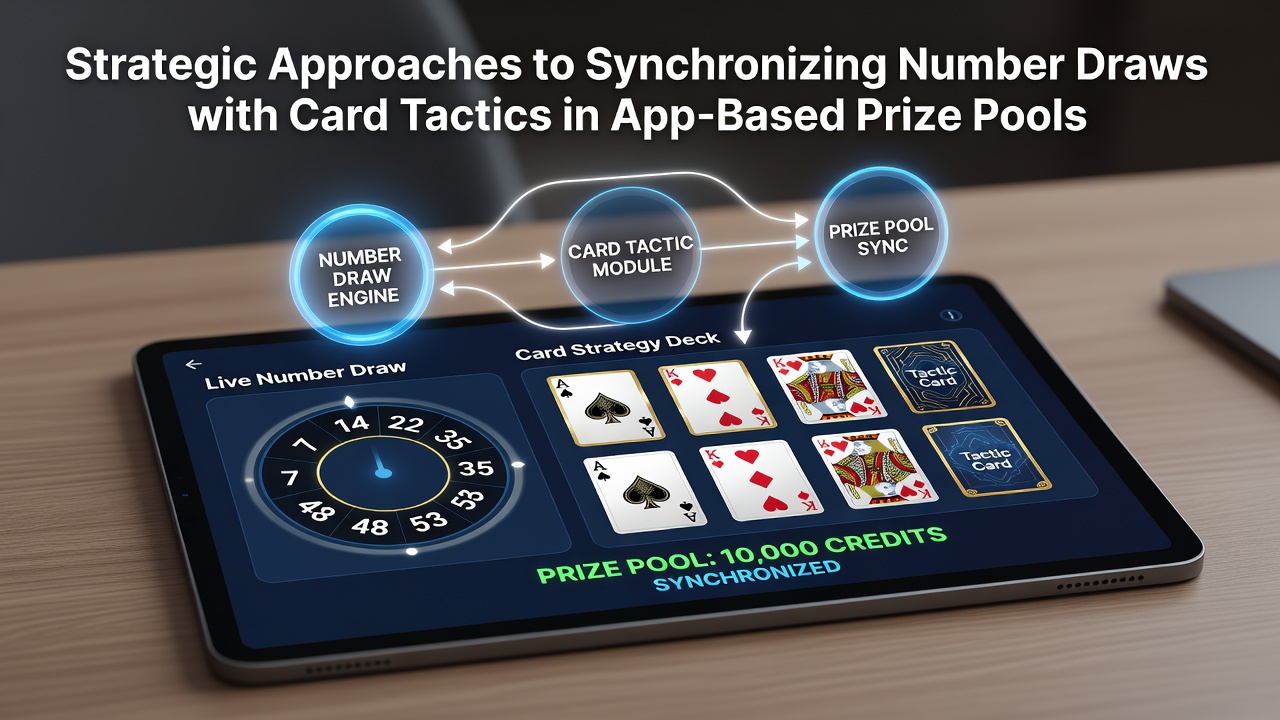
Players in app-based prize pools often combine elements of random number generation with structured card selection to influence outcomes in competitive formats. Data from industry reports shows that synchronization between these components occurs through timing controls, pattern matching algorithms, and resource allocation systems that adjust draw frequency based on card hand progression. Researchers at institutions focused on digital entertainment have documented how these mechanics operate across multiple platforms without relying on player skill alone to determine results.
Core Synchronization Techniques in Hybrid Systems
One approach involves mapping numerical sequences directly onto card values during active rounds so that drawn numbers trigger specific tactical options such as discarding or holding certain cards. This method appears in several applications where the draw interval shortens when a player maintains a strong hand position. Observers note that platforms adjust these intervals according to participation volume and prize pool size, creating dynamic pacing that keeps engagement levels consistent throughout sessions.
Another technique relies on predictive buffering where upcoming number draws receive partial previews tied to card suit distributions. Participants receive limited information windows that allow preemptive card rearrangements without full disclosure of results. Figures from regulatory monitoring in regions such as Australia indicate that such buffering features maintain compliance standards while providing measurable interaction data that developers use to refine balance parameters.
Resource Management Across Draw and Card Phases
Effective coordination requires careful tracking of in-app currencies that fuel both number entries and card purchases. Systems frequently allocate shared points that convert between draw attempts and tactical upgrades, forcing decisions about when to commit resources. Studies from academic groups examining mobile gaming patterns reveal that users who alternate spending patterns between draws and cards achieve longer session durations on average compared to those who focus on single mechanics.
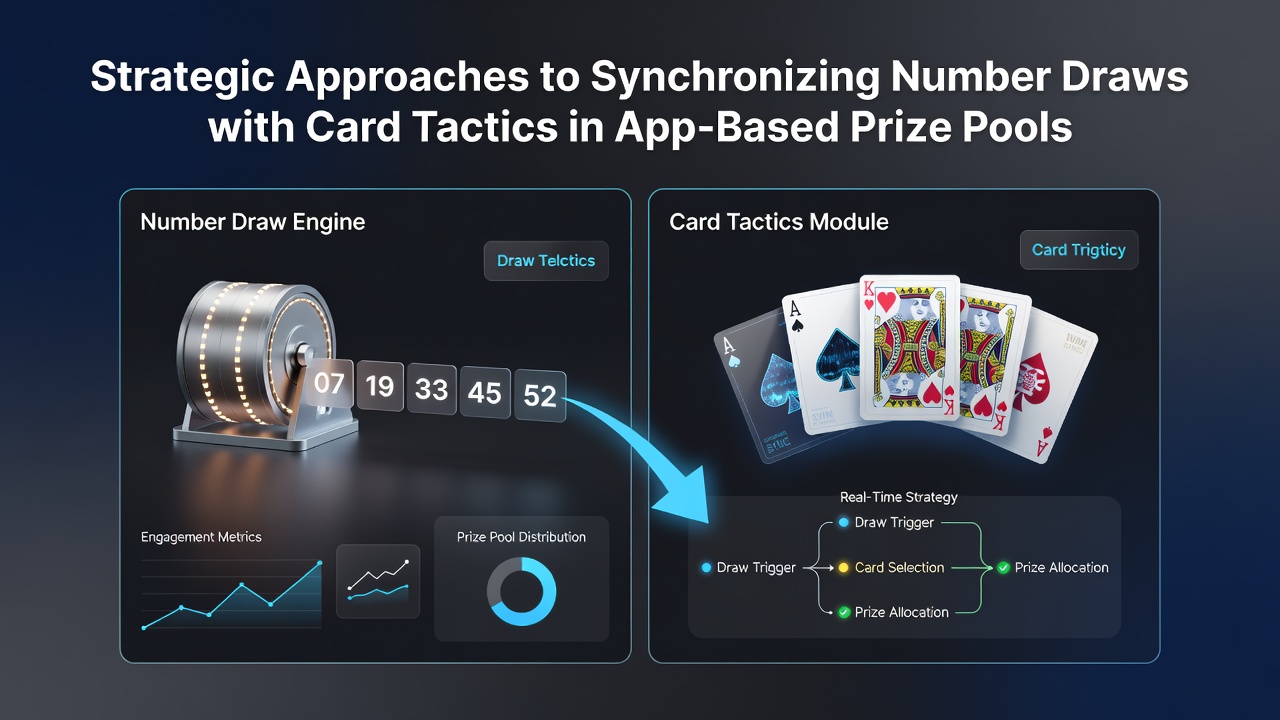
Timing plays a central role because draw cycles operate on fixed or variable schedules while card tactics unfold in real time. Applications address this gap through pause functions or accelerated draw modes that activate during critical card moments. In June 2026 several major platforms expanded these acceleration tools following updates to their core engines, allowing smoother transitions between phases without interrupting prize calculations.
Pattern Integration and Algorithmic Adjustments
Advanced implementations incorporate pattern recognition that links completed number sequences to card combinations for bonus multipliers. When a drawn sequence matches a predefined card formation, the system applies additional rewards drawn from the collective prize pool. This integration appears in tournament structures where cumulative progress across multiple rounds determines final standings rather than isolated wins.
Developers maintain these systems through backend algorithms that monitor aggregate player behavior and adjust probability weights accordingly. Reports from Canadian gaming oversight bodies document how such adjustments remain within established variance limits to preserve fairness across large user bases. Players encounter these changes indirectly through shifting draw frequencies or modified card payout tables that reflect current pool conditions.
Platform Variations and Regional Adaptations
Different applications emphasize distinct aspects of synchronization depending on target markets and regulatory environments. Some prioritize rapid draw cycles paired with simplified card choices, while others extend card decision windows to accommodate complex tactical layers. European research consortia have published analyses comparing these approaches across jurisdictions, highlighting how local rules influence the balance between randomness and player input.
Cross-platform compatibility features have grown in prominence, allowing users to carry synchronization preferences between devices. These features rely on cloud-based state tracking that preserves draw history and card configurations during transitions. Data indicates higher retention rates among participants who utilize such continuity tools compared to those who restart sessions from default settings.
Conclusion
App-based prize pools continue to evolve through refined methods that connect numerical draw processes with card-based tactics. The approaches outlined above demonstrate how timing controls, resource sharing, and algorithmic balancing create integrated experiences. Continued monitoring by oversight organizations and research entities provides ongoing data that shapes future iterations of these systems across global markets.