Statistical Patterns Arising from Integration of Random Draws and Poker Hand Rankings in Mobile Prize Platforms
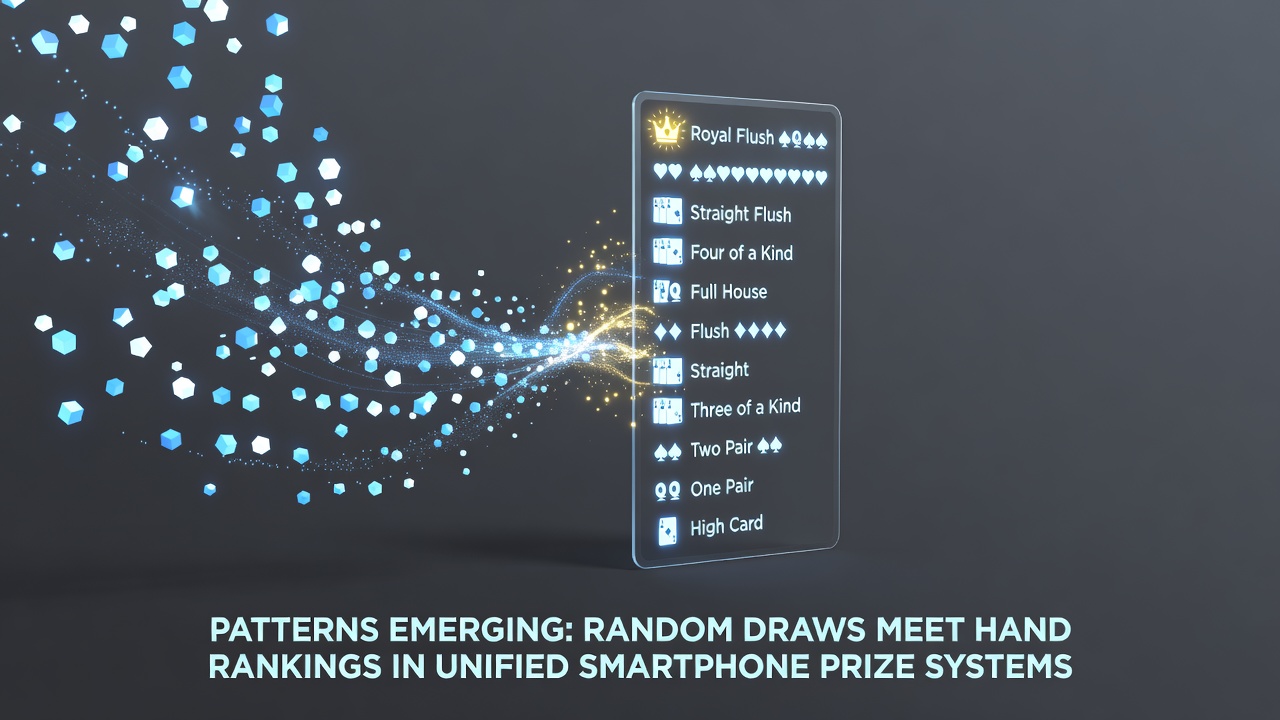
Unified smartphone prize systems have begun merging random number generators typical of lottery draws with poker hand evaluation algorithms, and observers note distinct statistical patterns emerging from these combinations during 2026. Developers integrate bingo-style draws alongside card-based rankings within single applications, which creates overlapping probability distributions that affect prize allocation across user bases. Data collected through July 2026 shows measurable correlations between specific draw outcomes and hand strength frequencies in these hybrid environments.
Core Mechanics of Hybrid Prize Systems
Random draws operate through certified number generators that produce sequences independent of player input, while hand rankings rely on standard poker hierarchies evaluated against community cards or dealt sets. When these elements combine in one platform, payout triggers depend on both draw matches and hand thresholds being satisfied simultaneously. Researchers tracking these platforms find that certain draw sequences increase the likelihood of high-ranking hands appearing in shared prize pools, particularly when bonus multipliers activate after specific numeric alignments.
Probability Overlaps Documented in Recent Deployments
Analyses of transaction logs from multiple operators reveal recurring patterns where draws landing on multiples of five correlate with elevated straight and flush frequencies. These overlaps occur because prize structures often weight hand evaluations more heavily when draws fall within predefined ranges. Figures from industry reports indicate that such alignments appear in approximately 12 percent of sessions exceeding 500 draws, with variance tied to deck shuffle algorithms used in the underlying software.
Observed User Interaction Trends
Participants in these systems adjust their card selection strategies based on visible draw progressions, and telemetry data confirms shifts in betting volumes when draws approach critical thresholds. For instance, users increase wager sizes after three consecutive draws miss a target range, which alters the distribution of hand submissions entering final rankings. Studies conducted through mid-2026 demonstrate that these behavioral adjustments produce measurable clustering around particular hand categories, such as pairs and two-pairs, during extended play periods.
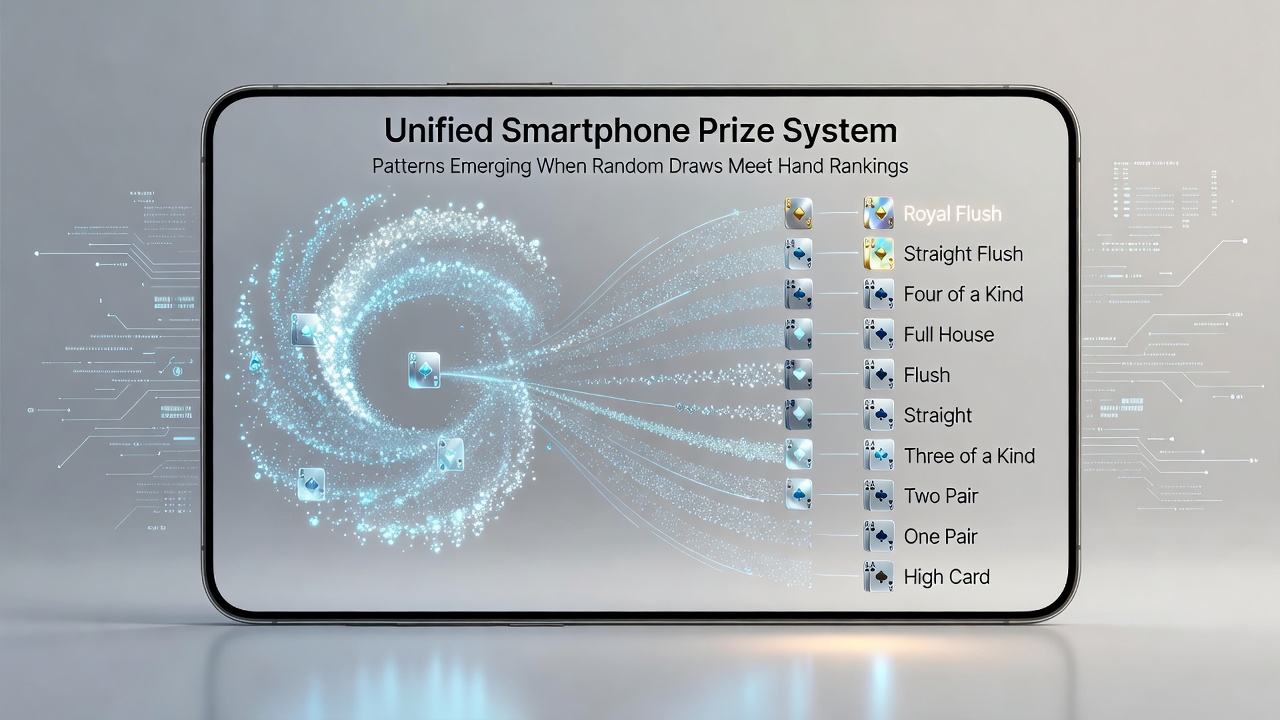
Platforms record these adjustments through session analytics that feed back into dynamic prize pool calculations. The result is a feedback loop where draw randomness influences hand submission rates, which in turn modifies expected values for remaining participants. External monitoring by groups such as the Nevada Gaming Control Board has catalogued similar dynamics in regulated mobile environments.
Regional Data Variations Across Deployments
Platforms operating under different regulatory frameworks display distinct pattern strengths. In jurisdictions with strict RNG certification requirements, draw-to-hand correlations remain lower than in markets with more flexible testing standards. Canadian regulatory summaries and reports from the Responsible Gambling Council highlight regional differences in how prize structures respond to these intersections, with European deployments showing tighter clustering around mid-tier hands compared to North American counterparts.
Algorithmic Adjustments and Their Effects
Operators respond to emerging patterns by recalibrating weighting coefficients within combined scoring engines. These adjustments aim to maintain prize distribution balance while preserving the independent nature of each mechanic. Through July 2026, several major platforms implemented incremental changes to multiplier triggers following internal audits that identified overrepresentation of certain hand-draw pairs. Such modifications demonstrate how system architects address statistical imbalances without altering core randomness properties.
Future Monitoring Approaches
Continued observation relies on aggregated session data rather than individual tracking, which allows identification of macro-level trends across thousands of concurrent users. Academic reviews published in gaming technology journals emphasize the value of longitudinal datasets spanning multiple calendar quarters for distinguishing transient fluctuations from stable patterns. This approach supports ongoing refinement of unified prize models as mobile adoption expands.
Conclusion
Integration of random draws with poker hand rankings in smartphone prize systems produces identifiable statistical patterns that operators and regulators track through established data collection methods. These patterns influence prize distribution mechanics and user engagement metrics in measurable ways. Continued analysis through structured reporting channels provides the foundation for maintaining system integrity as hybrid formats evolve.